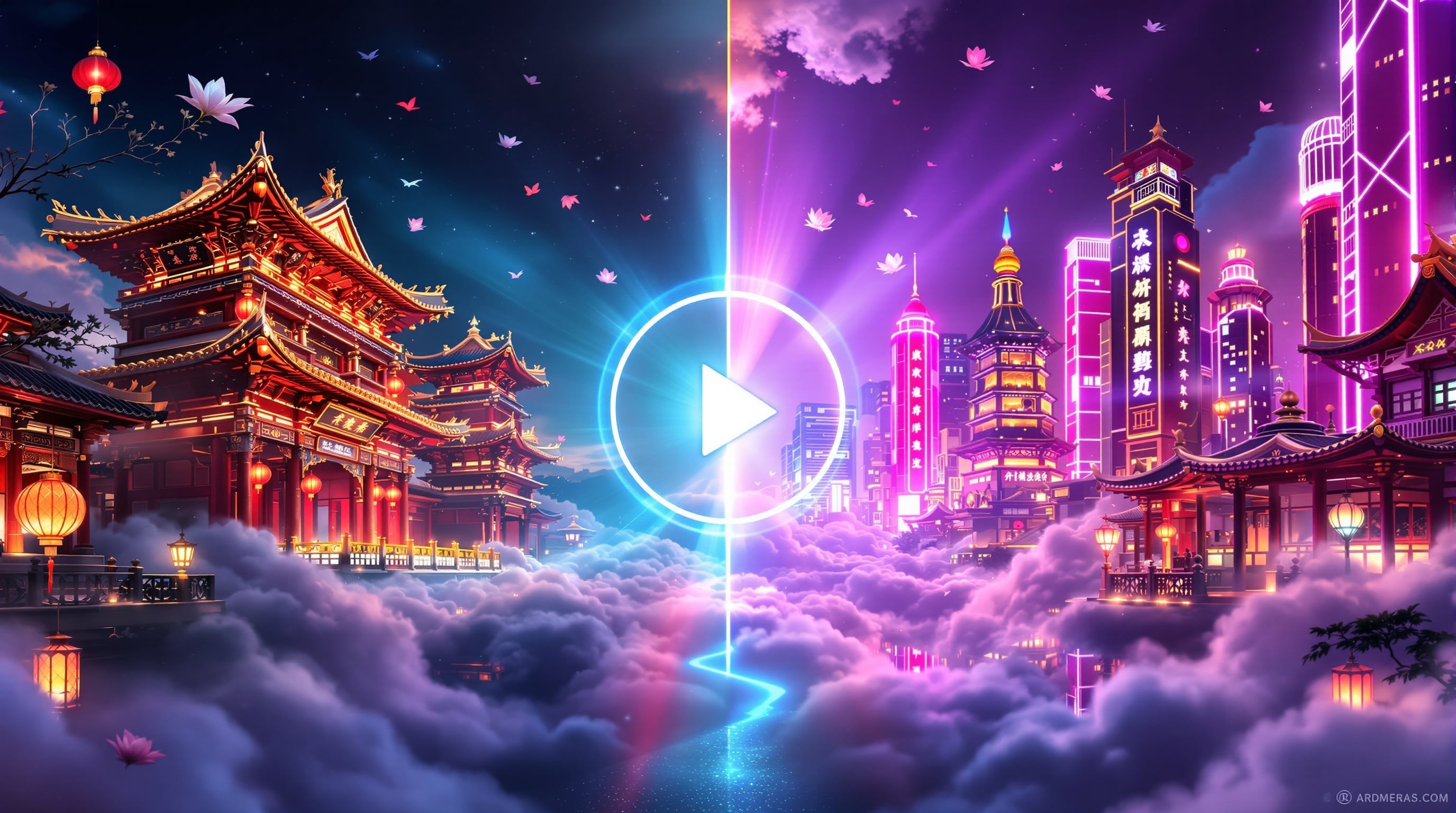
C-Dramas Are Taking Over the World: Here's What You're Missing
If you've scrolled through Netflix lately, you might have noticed something: Chinese dramas are everywhere. From sweeping historical epics to contemporary romances that hit a little too close to home, C-dramas have quietly become one of the most dynamic forces in global entertainment. And if you haven't jumped on the bandwagon yet, you're missing out on some of the most compelling storytelling happening today.
The C-Drama Revolution
Chinese television dramas—affectionately known as C-dramas—have undergone a remarkable transformation over the past decade. What was once a regional phenomenon has exploded into a global cultural force, thanks to streaming platforms like Netflix, Disney+, and iQIYI making these shows accessible to audiences worldwide.
The numbers tell the story: major Chinese streaming platforms are investing billions in content production, creating a fiercely competitive market that's pushing creative boundaries. The result? A diverse slate of high-quality dramas that rival anything coming out of Hollywood or South Korea.
A Genre for Every Mood
One of C-dramas' greatest strengths is their incredible variety. Unlike Western television, which often sticks to familiar formulas, Chinese dramas span an astonishing range of genres, each with its own devoted fanbase.
Historical and Palace Dramas: Where Tradition Meets Intrigue
If you love period pieces, C-dramas deliver in spades. Historical dramas like Unveil: Jadewind, set during the Tang Dynasty, combine intricate mystery plots with stunning cultural aesthetics. Palace romances weave together revenge, court intrigue, and forbidden love against backdrops of imperial grandeur. These aren't just costume dramas—they're windows into Chinese history, philosophy, and traditional values, all wrapped in addictive storytelling.
Modern Romance: Love in the Digital Age
For those who prefer contemporary settings, urban romance dramas explore the complexities of modern Chinese life. Take Love Between Lines, a 2026 hit that blends a real-life romance with a virtual reality murder mystery. These shows tackle career pressures, generational conflicts, and the search for authentic connection in an increasingly digital world—themes that resonate across cultures.
Mystery and Fantasy: Beyond Reality
Dark crime thrillers like Tencent's Light of Dawn, which unravels a two-decade-old cold case, showcase the genre's move toward psychological complexity. Meanwhile, fantasy dramas rooted in Chinese folklore—like the animated Yao-Chinese Folktales 2—offer distinctly Chinese supernatural aesthetics that feel refreshingly different from Western fantasy tropes.
The wuxia genre, featuring martial arts heroes in fantastical settings, continues to thrive with shows like The Unclouded Soul, blending action, romance, and traditional Chinese philosophy in ways that have no real Western equivalent.
From Shanghai Jazz to Streaming Giants: A Cultural Journey
To understand C-dramas' current success, you need to know where they came from. Chinese popular culture has always been a story of transformation and resilience.
In the 1920s, Shanghai was the birthplace of shidaiqu—a fusion of Chinese folk melodies and Western jazz that represented China's first modern pop culture movement. But the Cultural Revolution (1966-1976) brought this creative flowering to an abrupt halt, suppressing both traditional and Western arts in favor of state propaganda.
The economic reforms of the late 1970s reopened China to the world, and pop culture from Hong Kong (Cantopop) and Taiwan (Mandopop) dominated the mainland for decades. But the internet changed everything. Digital platforms revolutionized content creation, and mainland China's massive domestic market—combined with significant investment—has reversed the cultural flow. Today, mainland productions influence trends across all of Greater China.
The Global Stage: C-Dramas vs. K-Dramas
It's impossible to talk about C-dramas without mentioning the elephant in the room: K-dramas. South Korea's entertainment industry has achieved remarkable global success through strategic planning, rigorous talent training, and active government support as a form of "soft power."
C-dramas are following a different path. Rather than a centrally coordinated push, Chinese content is spreading organically through streaming platforms and social media. Shows like The Story of Yanxi Palace have built dedicated international fanbases, while TikTok (Douyin in China) has become a major conduit for Chinese trends and music to reach global youth.
The challenges are real: language barriers, cultural translation issues, and state media regulations can limit creative expression. But the sheer scale of China's creative output and the universal appeal of well-told stories are gradually overcoming these obstacles.
A Bridge Between Worlds
For the Chinese diaspora, C-dramas serve a special purpose. They're a way to stay connected to heritage, understand evolving cultural norms, and share their background with friends from other cultures. When a Hollywood filmmaker of Chinese heritage like Domee Shi creates Turning Red—a film that authentically represents Chinese family dynamics—it resonates deeply with diaspora communities while introducing Chinese culture to global audiences.
This cultural bridge works both ways. As more international viewers discover C-dramas, they're gaining appreciation for Chinese storytelling traditions, aesthetic sensibilities, and cultural values. They're learning that family loyalty (xiao) isn't just about obedience, that historical dramas can be both entertaining and educational, and that Chinese romance can be swoon-worthy without relying on Western tropes.
Why You Should Start Watching
Whether you're part of the Chinese diaspora looking to reconnect with your roots, a culture enthusiast eager to explore new perspectives, or simply someone who loves a good story, C-dramas offer something unique.
They're longer than Western shows—often 30 to 60 episodes—which allows for deeper character development and more intricate plotting. They blend tradition and modernity in ways that reflect China's own rapid transformation. And they're introducing global audiences to a cultural perspective that's been underrepresented in mainstream entertainment.
The best part? There's never been a better time to start. With streaming platforms making C-dramas more accessible than ever, and production quality at an all-time high, you're just one click away from discovering your next binge-worthy obsession.
So grab some snacks, settle in, and prepare to be transported—whether to a Tang Dynasty palace, a modern Shanghai office, or a fantastical realm where martial arts masters fly through the air. The world of C-dramas is waiting, and trust us: once you start, you won't want to stop.