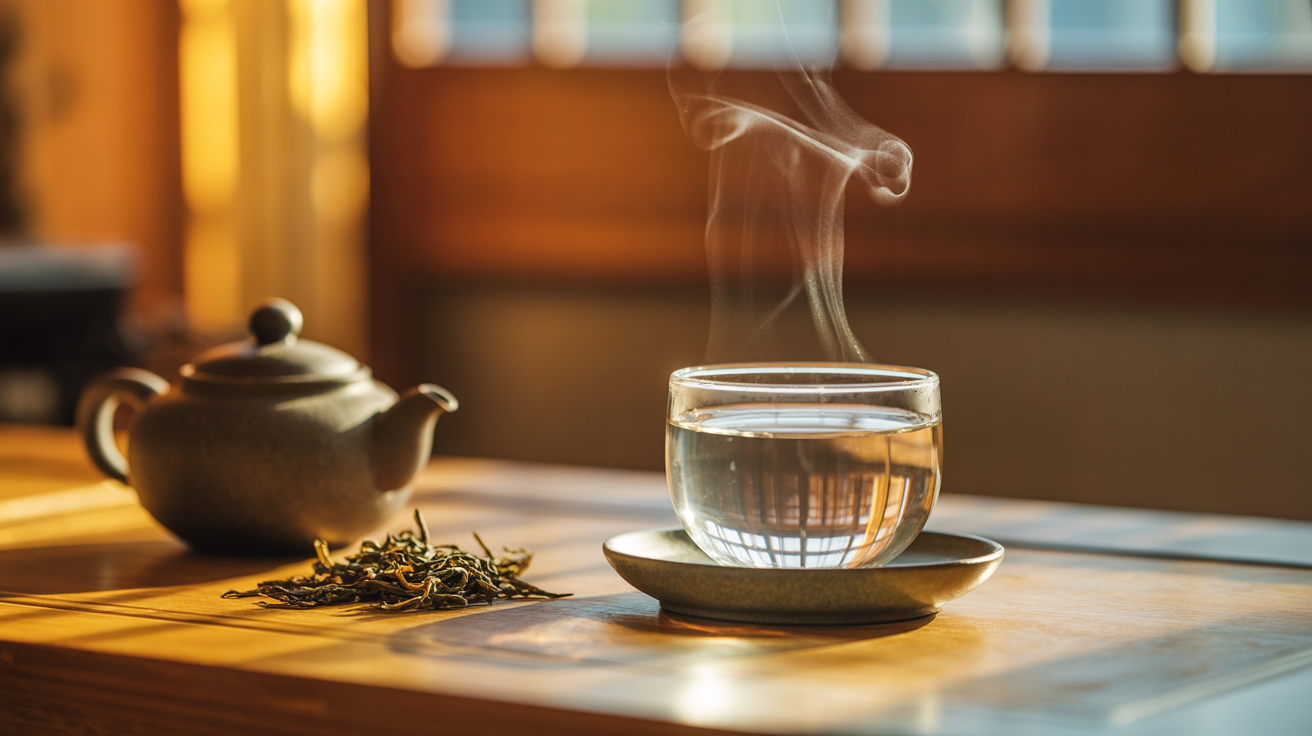
Why Chinese People Drink Warm Water: A Tradition Steeped in History and Wellness
If you've ever visited China or spent time with Chinese friends, you may have noticed something curious: the ubiquitous presence of hot water. While Westerners reach for ice-cold beverages, Chinese people—regardless of season or weather—often opt for warm or hot water. This isn't mere preference; it's a cultural practice with roots stretching back over two thousand years, intertwining traditional medicine, historical events, and practical wisdom.
The Yin and Yang of Hydration
At the heart of this practice lies Traditional Chinese Medicine (TCM), which has shaped Chinese wellness philosophy for millennia. TCM views the body as a delicate balance of opposing forces: Yin (cold, passive) and Yang (warm, active). According to this framework, drinking cold water disrupts this balance by introducing excessive Yin energy into the body, potentially causing digestive problems, slowing circulation, and weakening the "digestive fire" that the stomach and spleen need to function optimally.
Warm water, by contrast, is considered Yang—it nourishes the body's internal warmth, promotes smooth Qi (vital energy) flow, and supports the digestive system. TCM practitioners believe that starting your day with warm water awakens the stomach's Qi, preparing it for the day's first meal. Throughout the day, sipping warm water is thought to maintain this internal harmony, preventing stagnation and promoting overall vitality.
A History Written in Hot Water
The practice gained significant momentum during a cholera epidemic that swept through Shanghai in 1862. The disease spread northward along the Grand Canal, killing thousands daily. An interesting pattern emerged: southern China, where boiling water for tea was more common, seemed less affected. While modern science would later attribute this to the sterilization effects of boiling rather than the water's temperature, the epidemic cemented the association between hot water and survival in the Chinese consciousness.
The connection between hot water and health became official policy in the 1930s when the Kuomintang government launched the "New Life Movement." Drinking boiled water was promoted as a pillar of modern, hygienic Chinese culture. The Communist government continued this public health campaign after 1949, with the "Patriotic Health Campaign" of 1952 encouraging children to drink boiled water three times daily. During the Long March, the Red Army even enforced hot water consumption as military policy to prevent dysentery.
More Than Medicine: A Social Fabric
Today, hot water has transcended its medicinal origins to become a social cornerstone. Walk into any Chinese train station, airport, school, or office, and you'll find hot water dispensers—often called "开水机" (kāishuǐ jī)—ready to fill thermoses and cups. The availability of hot water is often a measure by which facilities are judged.
This culture of warm water extends to social interactions as well. Offering a guest a cup of hot water is a gesture of hospitality and care. When someone falls ill, "多喝热水" (duō hē rè shuǐ—"drink more hot water") is advice as common and well-meaning as "get some rest" in Western cultures. It's a phrase that has become something of a gentle joke between generations, with younger Chinese sometimes rolling their eyes at this universal remedy—even as they reach for their own thermos of warm water.
The Practical Side
Beyond tradition and medicine, there's a practical dimension to this habit. Historically, and in some areas still today, tap water in China isn't safe for direct consumption. Boiling water kills harmful bacteria and microorganisms, making it a necessary step for health. The habit of drinking the water while it's still warm is simply a natural extension of this purification process.
Chinese households often have electric kettles or water boilers that maintain water at a constant warm temperature. The iconic thermos flask—a staple in Chinese homes and carried by everyone from grandparents to students—keeps water warm throughout the day.
Finding the Middle Ground
Modern science offers some support for the wisdom of warm water. Warm liquids can indeed relax the smooth muscles of the gastrointestinal tract, potentially easing digestion and constipation. Water at body temperature may be absorbed more efficiently, as the body doesn't need to expend energy warming it. Warm water can also soothe a sore throat and help loosen congestion.
However, science also suggests that cold water has its benefits, particularly for cooling the body during exercise or hot weather. The "right" temperature for water likely depends on individual circumstances and preferences.
A Cup of Culture
Perhaps what's most remarkable about the Chinese relationship with warm water is how a simple daily practice can encapsulate so much: ancient philosophy, historical trauma, government policy, social bonds, and practical wisdom. The next time you see someone sipping from a thermos of warm water, know that they're participating in a tradition that connects them to emperors and peasants, to TCM practitioners and modern health campaigns, to their grandparents and their grandchildren.
In an age of energy drinks and iced lattes, there's something beautifully simple about a culture that finds wellness and meaning in a cup of warm water. It's a reminder that sometimes the most profound traditions are the most humble ones—and that taking care of ourselves can be as simple as paying attention to the temperature of what we drink.
Whether you adopt the warm water habit or stick to your iced beverages, understanding this practice offers a window into Chinese culture—one that values balance, honors history, and finds meaning in the everyday rituals of life.